
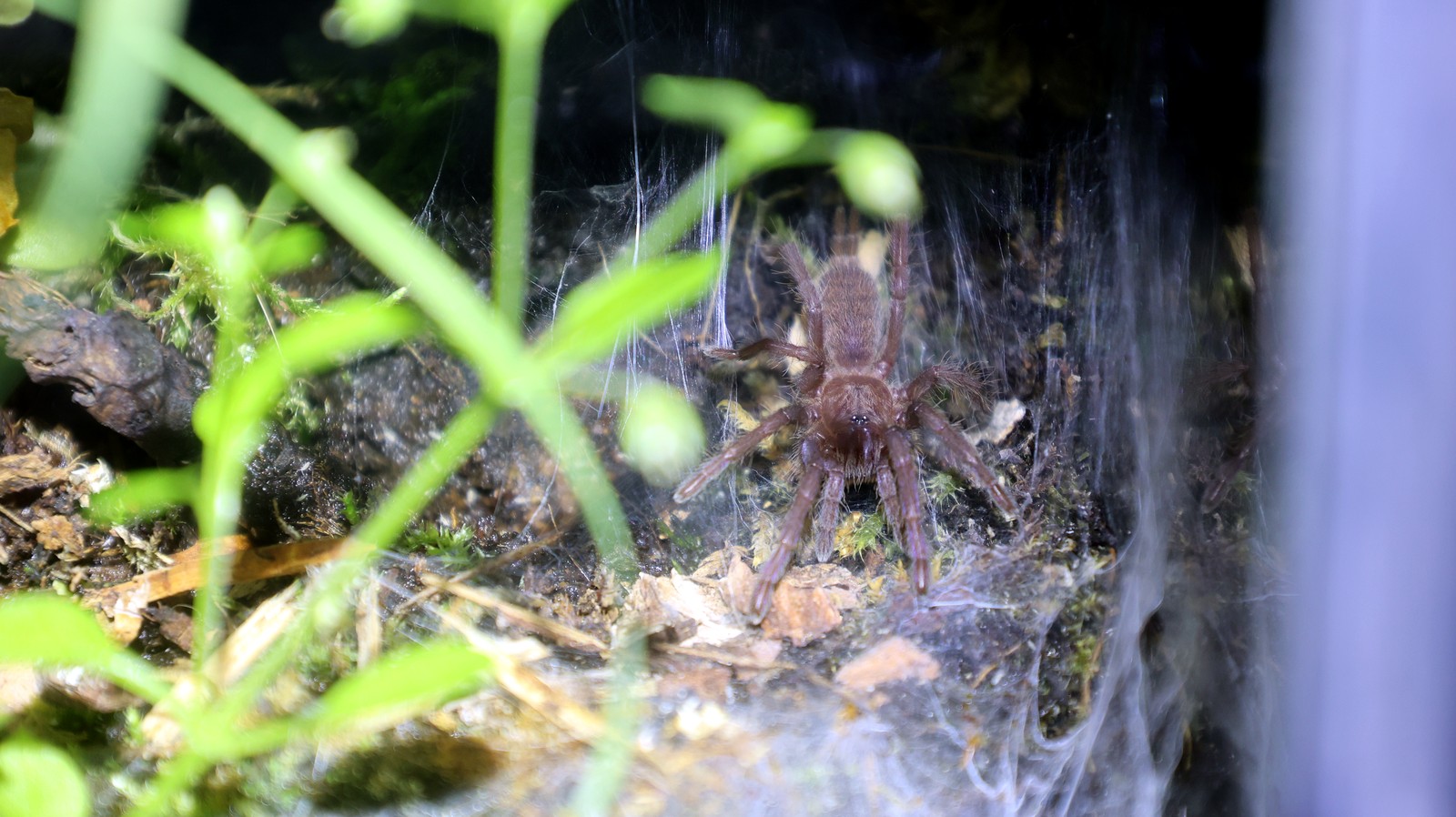
A terrestrial southern African tarantula that uses a silk-lined retreat and can reshape the ground around it. The profile photographs show this resident using both shelter and open substrate.
Species profile · Gunnar
Ceratogyrus darlingi
Meet Gunnar
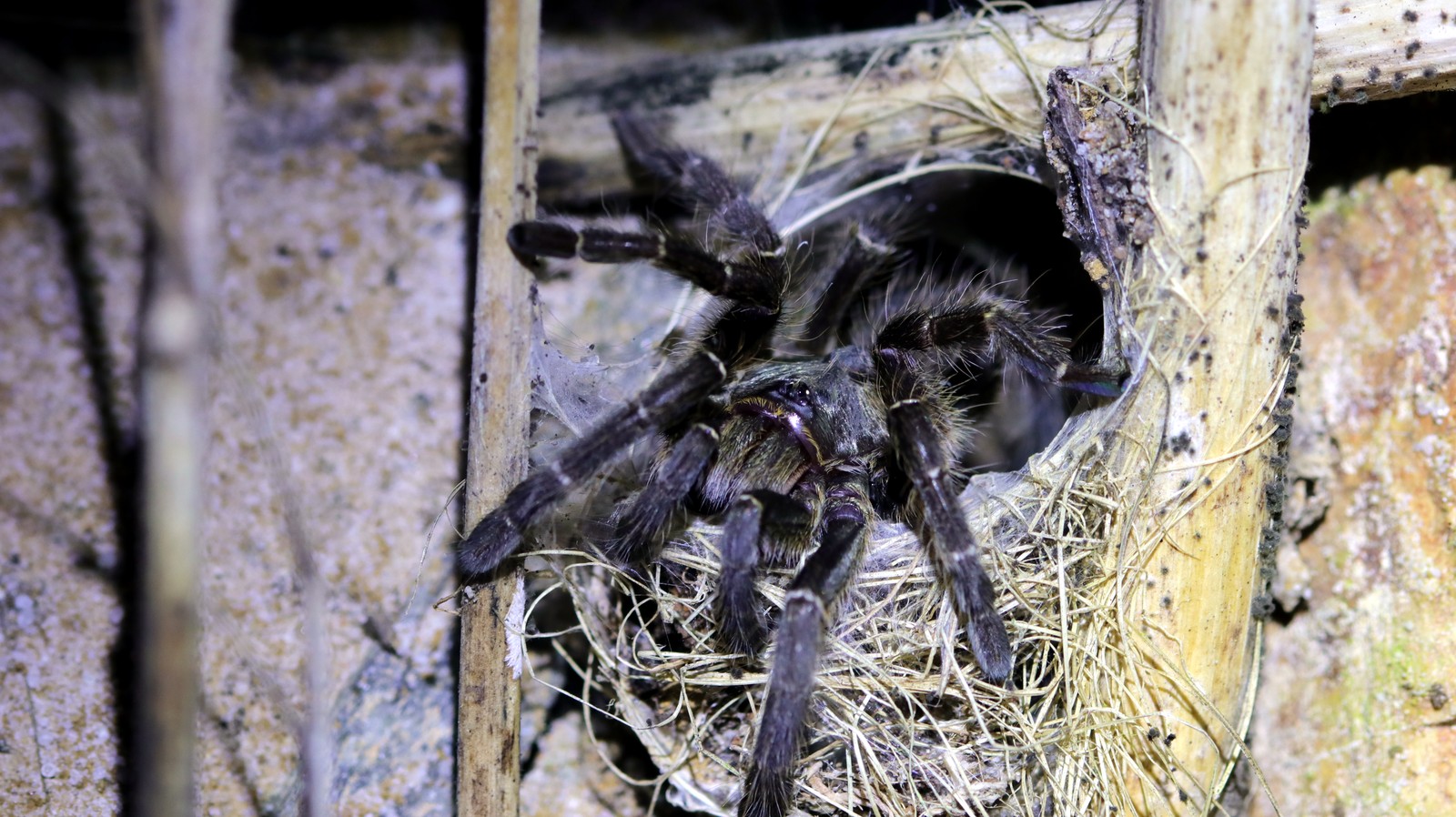
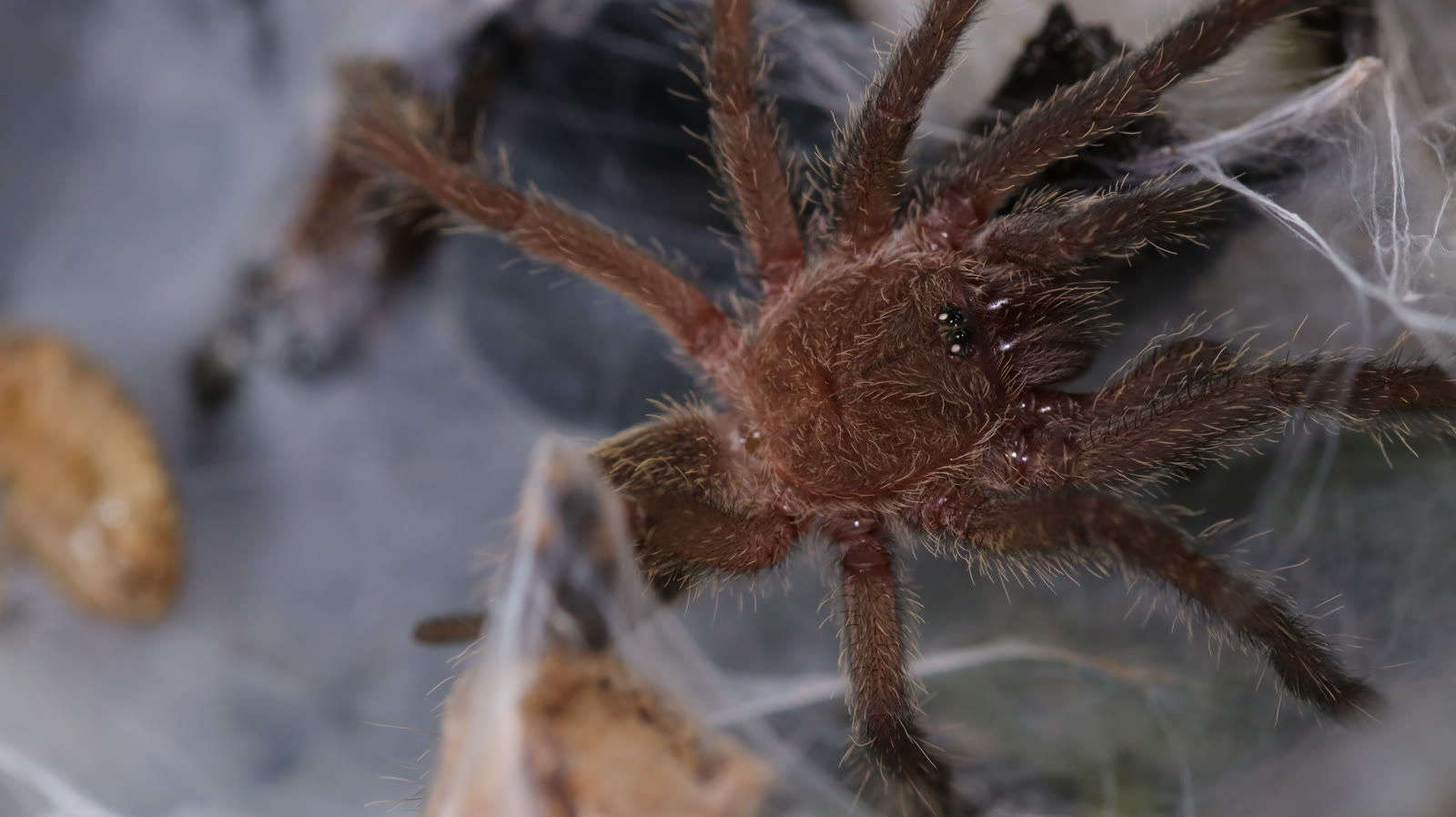
Gunnar is the Ceratogyrus darlingi currently in my care. His updated portrait shows his full build and mature-male proportions in the open.
Scientific nameCeratogyrus darlingi
FamilyTheraphosidae
Native rangeSouthern Africa
TaxonomyAccepted species
SexConfirmed male
In the wild
Natural history.
Ceratogyrus is known for the horn-like structure on the carapace. It is an unusual feature among tarantulas and a useful starting point for comparing African theraphosids.
This confirmed male is kept for observation rather than interaction, with a retreat and enough substrate to build around it. Individual behaviour is recorded without treating it as universal.
Taxonomy and range
Ceratogyrus darlingi is an accepted theraphosid species from southern Africa and the type species of Ceratogyrus. The genus was revised with field notes on its natural history, while the current catalogued name preserves a long history of older combinations and interpretations.
Burrows, shelter, and activity
This is a terrestrial, burrow-associated spider. A silk-lined earthen retreat forms the centre of its activity, giving shelter from surface conditions and a protected place for moulting and feeding. The horn-like structure on the carapace is distinctive, but its function should not be presented as settled fact.
Feeding ecology
Prey is taken close to the retreat by rapid ambush. Arthropods that cross the silk and disturbed ground around the entrance provide vibration cues; food may then be pulled back into cover. Detailed species-specific diet data remain limited, so broad claims about unusual prey are avoided here.
Defence, senses, and movement
African theraphosids do not have the New World urticating-hair defence. Escape into the retreat, speed, and a defensive posture are more relevant responses, all of which make observation from outside a secure enclosure the appropriate way to study the animal.
Conservation context
Status, trade & uncertainty.
IUCN evaluates extinction risk; CITES regulates international trade. They answer different questions, and missing data should remain visible.
Not Evaluated
No species-level assessment was located in IUCN Red List version 2026-1. Published taxonomy and natural history do not yet provide a global population trend.
Not CITES-listed
The species was not found in the CITES Appendices checked in September 2026. National wildlife and export rules can still apply.
What the evidence supports
The catalogued range spans parts of southern Africa, but range size alone cannot substitute for abundance, habitat condition, or trend data.
Make provenance visible
Use documented captive-bred provenance and retain the original seller and acquisition record; do not turn a missing assessment into a low-risk claim.
Reviewed 14 September 2026 against IUCN Red List version 2026-1 and the live CITES Checklist. “Not Evaluated” is not a low-risk category. National and local rules may be stricter.
Life in the collection
Meet Gunnar.
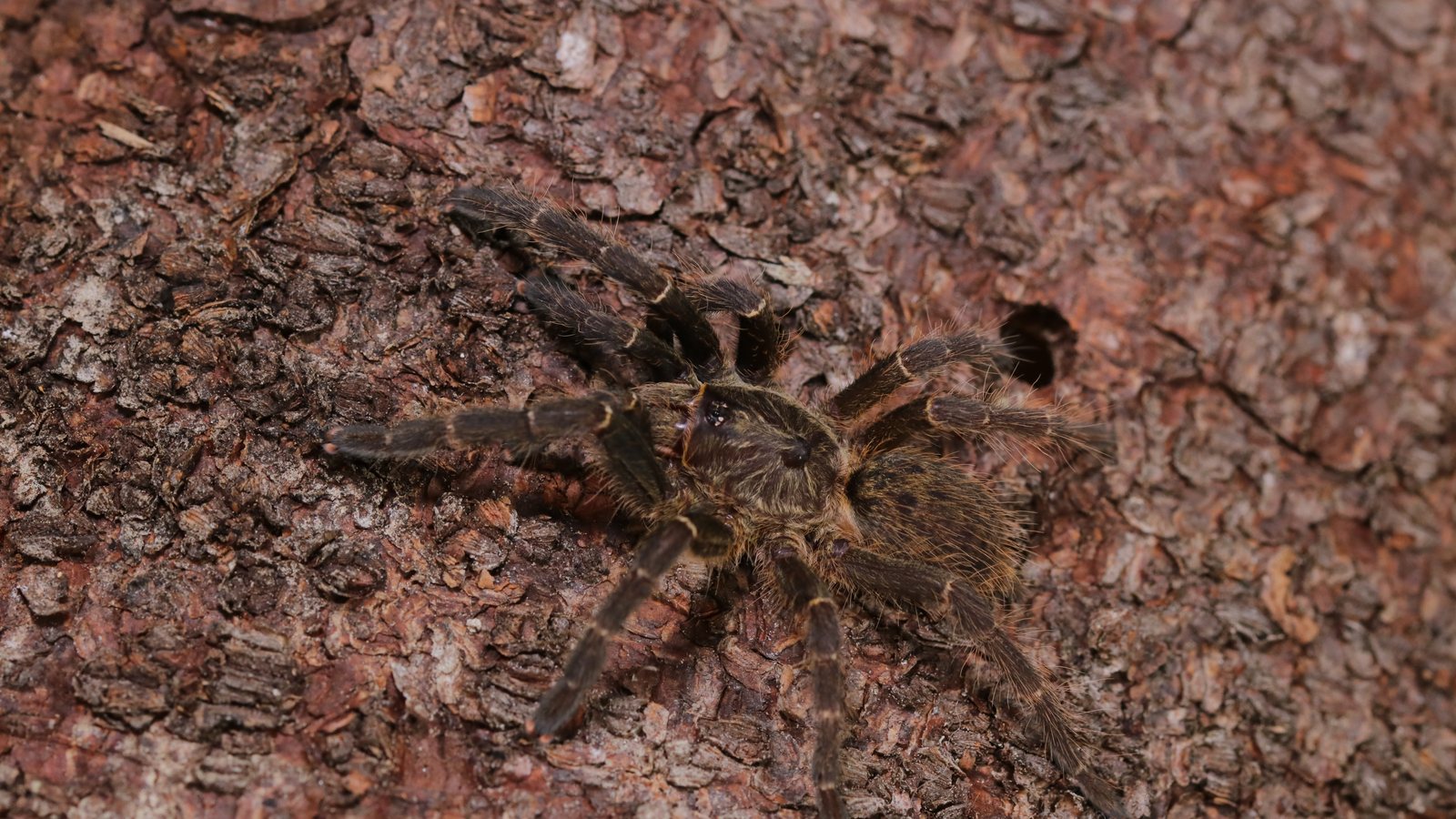
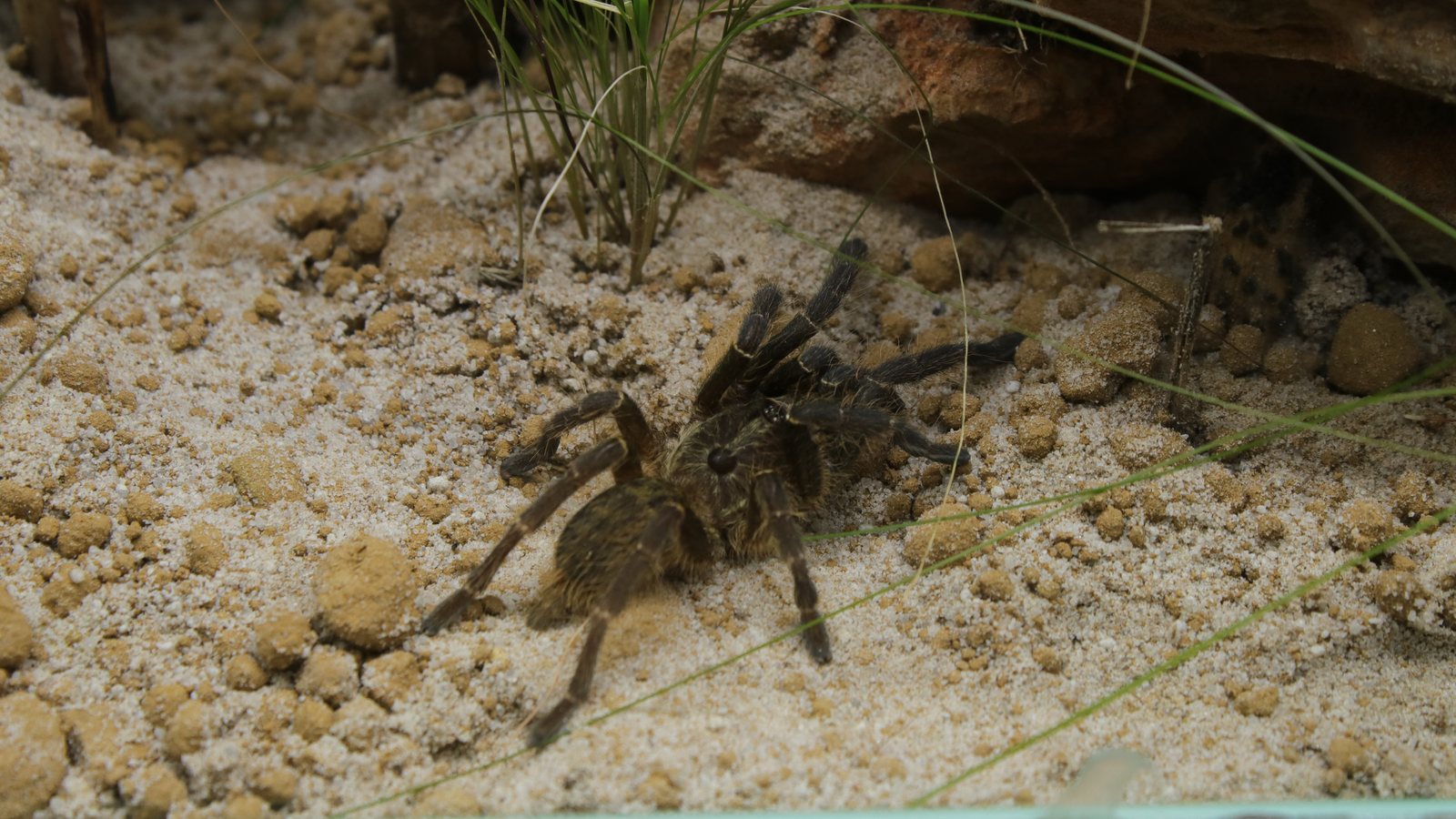
Gunnar gives the Introvertebrates collection a living record of Ceratogyrus darlingi. His profile brings together verified species information, the introduction video, and observations recorded through the Codex.
From Instagram
Posts & reels.
From the channel
Related viewing.
Introvertebrates on YouTube
Introducing Gunnar, my Ceratogyrus darlingi
A closer introduction to Gunnar and his place in the Introvertebrates collection.
Personal observations
From the Codex.
Introvertebrates Codex
Gunnar · care history
Time in care, feeding records, moults and measurements. These are observations from the Introvertebrates collection, not species-wide averages.
Collection records are not available here yet.
Private notes and identifying details are kept off the website.
Continue exploring
Related profiles.
Read further
Sources.
- World Spider Catalog — Ceratogyrus darlingiView the source.
- Koedoe — revision and natural history of CeratogyrusView the source.