
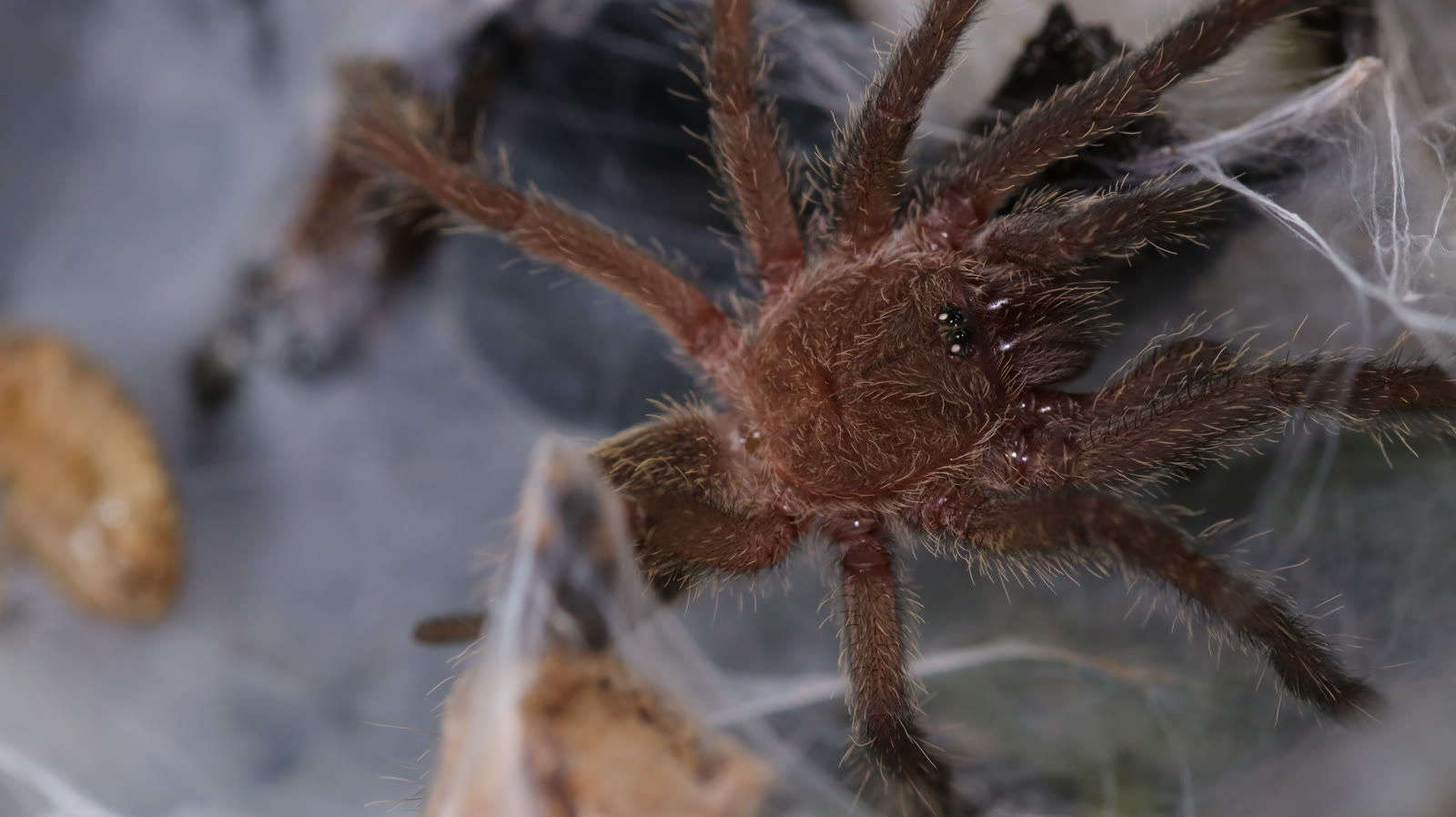
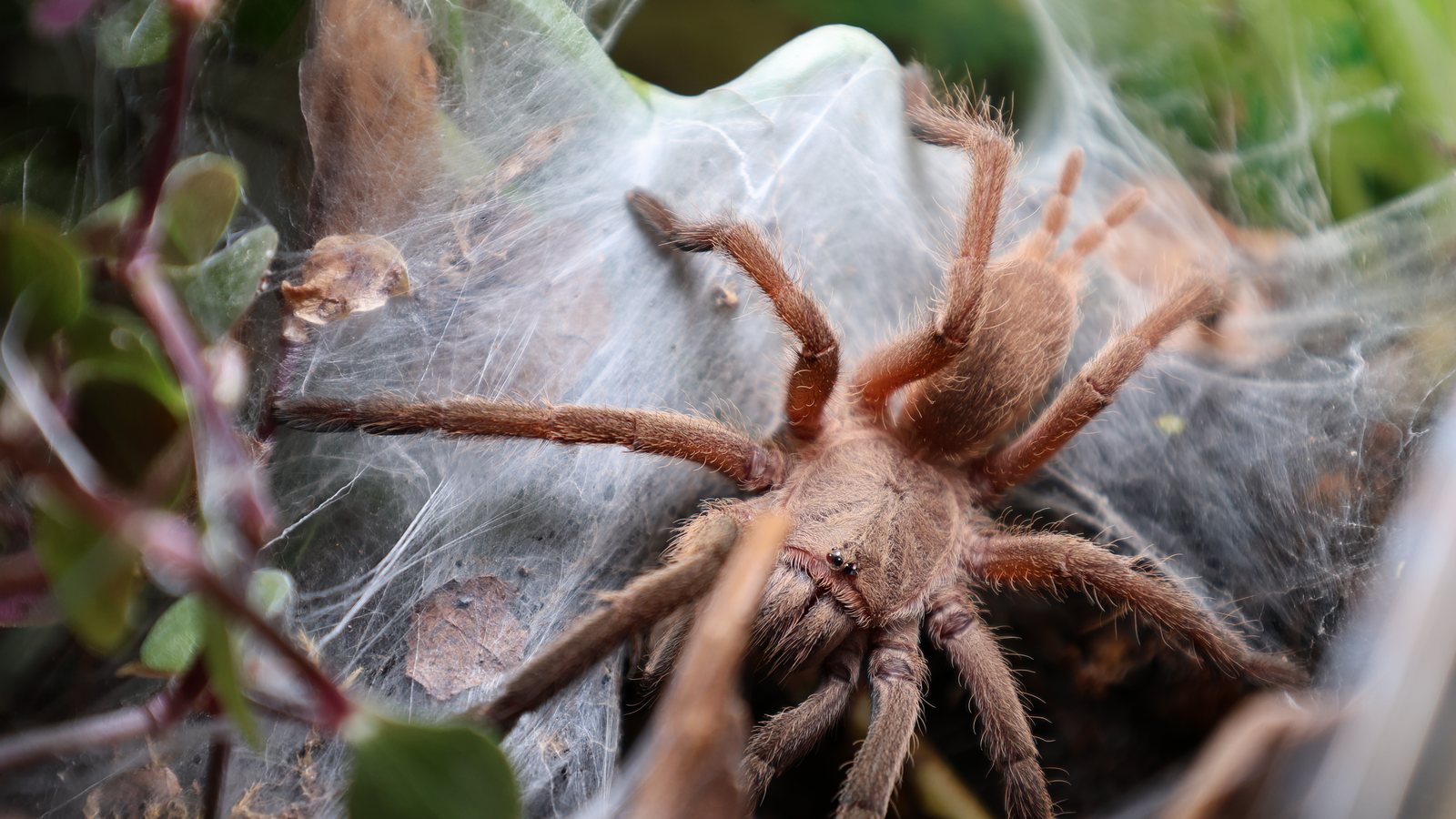
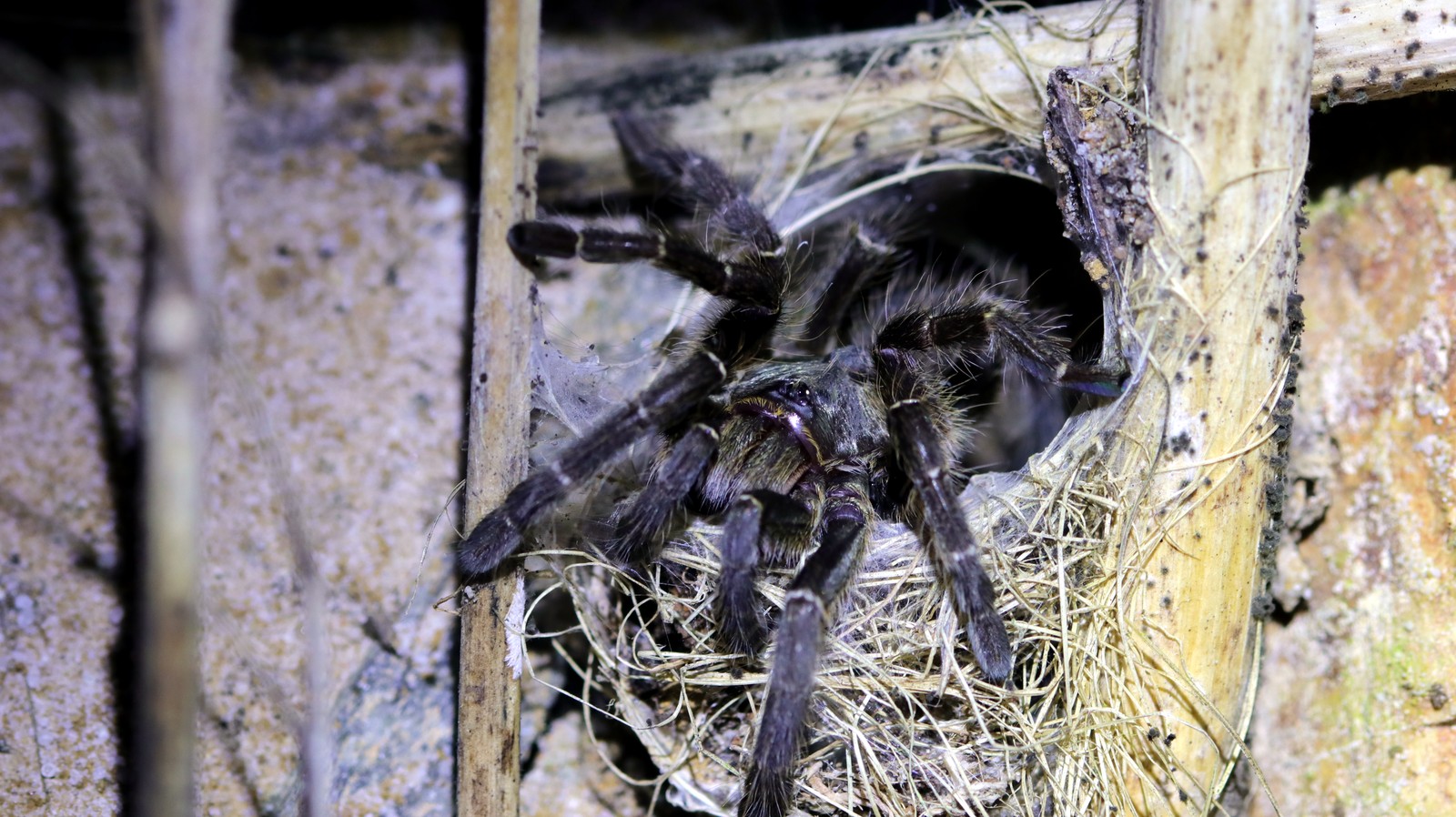
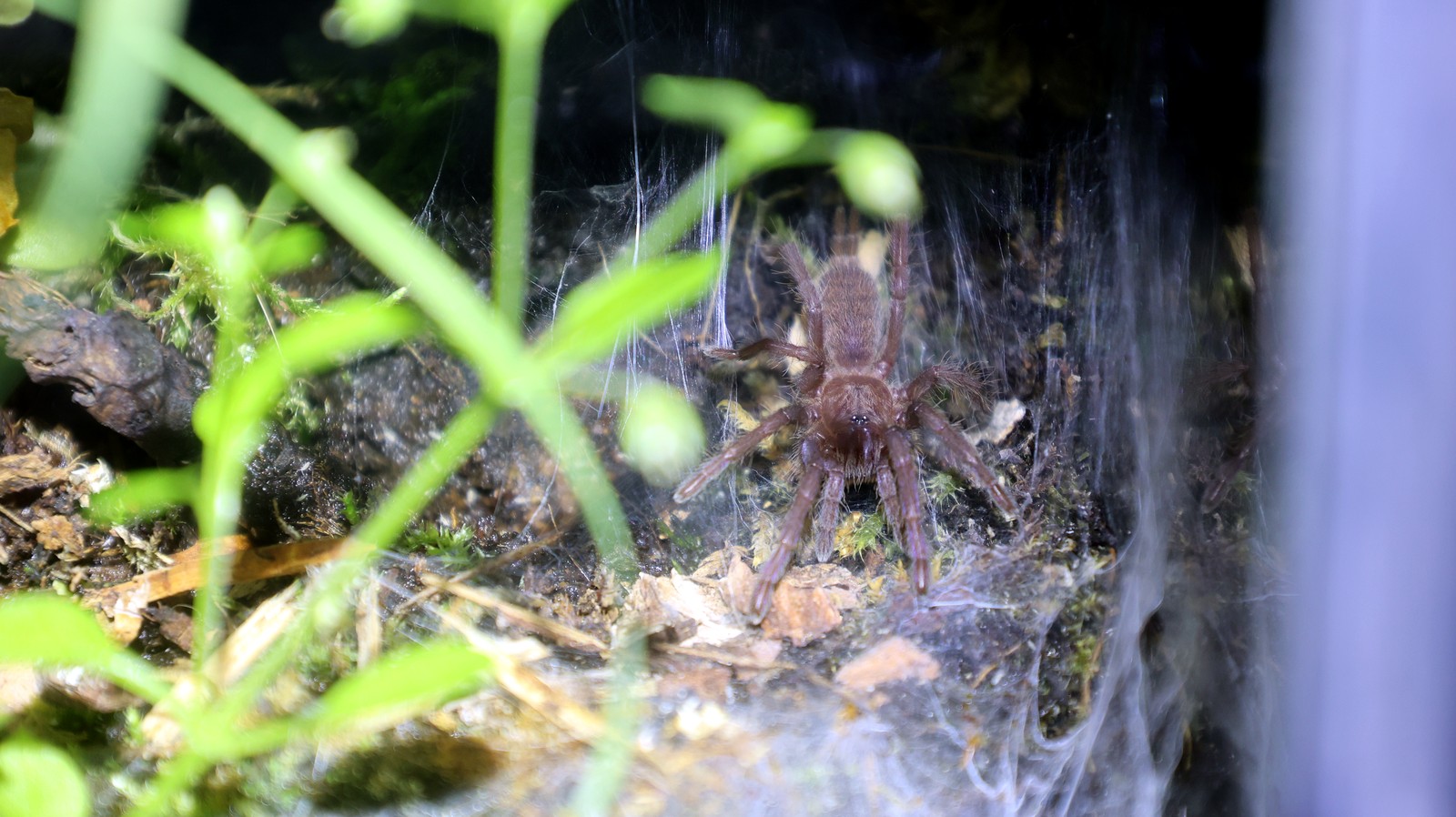
This is a hobby locality form rather than a formally described species. The resident is strongly retreat-oriented and has built a broad web sheet around its doorway in the collection.
Species profile · Current resident
Chilobrachys sp. “Kaeng Krachan”
Tarantula
This Chilobrachys sp. “Kaeng Krachan” is part of the current collection. The portrait places the animal within the dense sheet webbing that turns the enclosure into a sensitive vibration network.
Scientific nameChilobrachys sp. “Kaeng Krachan”
FamilyTheraphosidae
Native rangeHobby locality label; exact range unresolved
TaxonomyInformal designation
SexUnknown
In the wild
Natural history.
The uncertainty is scientifically important: an attractive hobby name is not the same as a published species description. The page therefore separates verified genus information from observations of this individual.
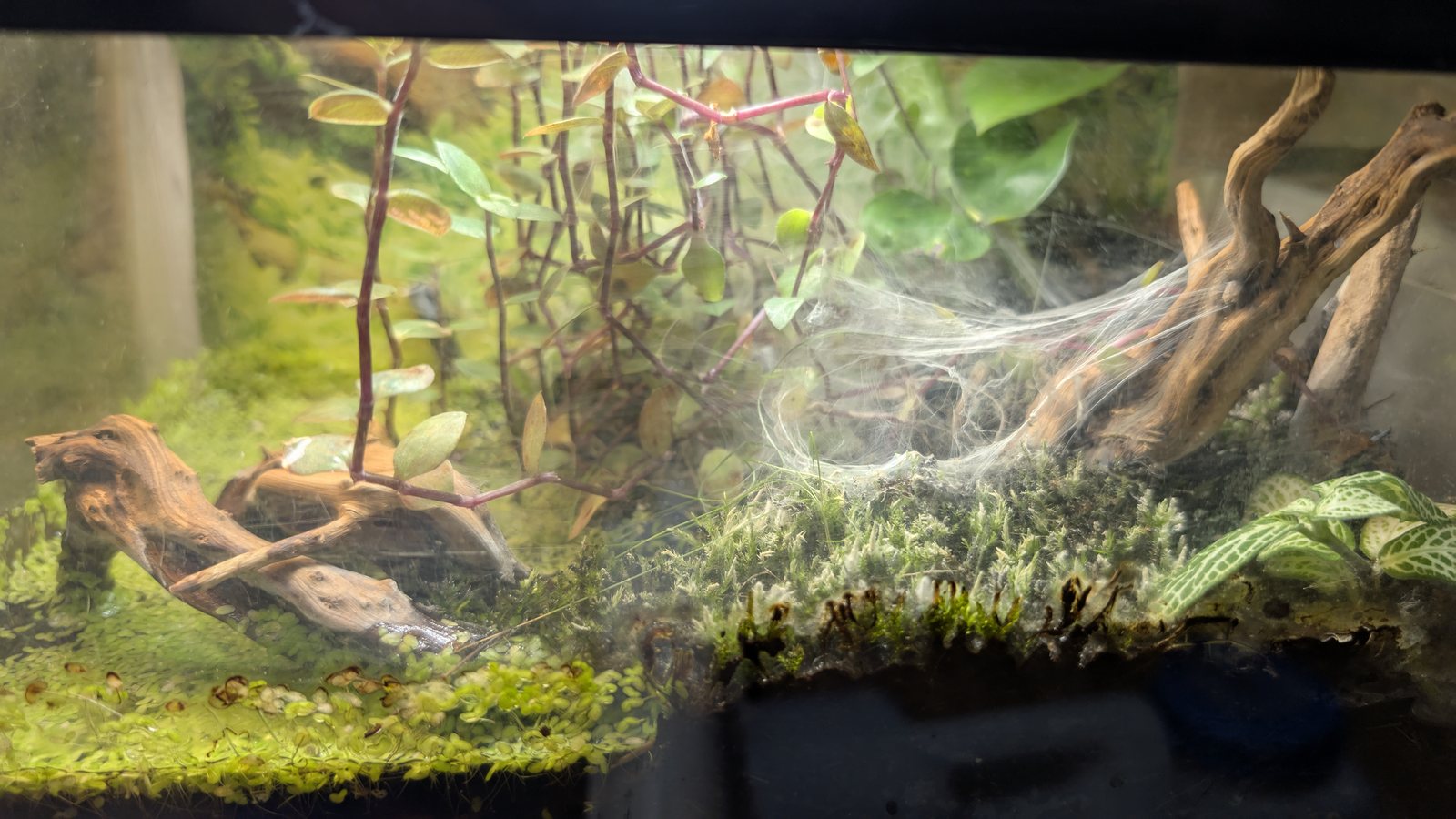
The paludarium, web sheet, and feeding doorway are documented as this animal's record. Precise wild range and species-wide care claims are intentionally avoided.
Taxonomy and range
Chilobrachys sp. ‘Kaeng Krachan’ is an informal hobby designation, not a formally described species. The label suggests an association with western Thailand, but no published diagnosis currently links this animal securely to a named species, so exact range and conservation claims would be misleading.
Burrows, shelter, and activity
The safest biological comparison is with the genus Chilobrachys, whose members commonly use silk-lined burrows or tree cavities and extend silk around the entrance. This resident's broad web sheet and doorway are direct collection observations, not proof that every animal sold under the same label behaves identically.
Feeding ecology
The individual waits at the webbed entrance and responds to vibrations reaching the silk. That makes the doorway both shelter and hunting position. Until the identity is resolved, feeding ecology should be described at genus level and through clearly labelled observations of this resident.
Defence, senses, and movement
Like other Asian Chilobrachys, the animal has no urticating-hair defence. Concealment, speed, and defensive posturing make hands-off observation essential, while the silk provides an early-warning system around the retreat.
Conservation context
Status, trade & uncertainty.
IUCN evaluates extinction risk; CITES regulates international trade. They answer different questions, and missing data should remain visible.
Identity unresolved
This hobby locality label is not a formally described species, so a species-level IUCN assessment cannot be matched to it responsibly.
No species-level match
No CITES listing was found for the genus Chilobrachys, but the unresolved identity makes precise legal and geographic claims especially fragile.
What the evidence supports
The first conservation problem is identification: without a defensible name and locality, range, population, and threat claims cannot be tested.
Make provenance visible
Preserve the original label and seller history exactly. Do not invent a locality, upgrade the name, or market descendants as a verified species.
Reviewed 14 September 2026 against IUCN Red List version 2026-1 and the live CITES Checklist. “Not Evaluated” is not a low-risk category. National and local rules may be stricter.
Life in the collection
A living resident.
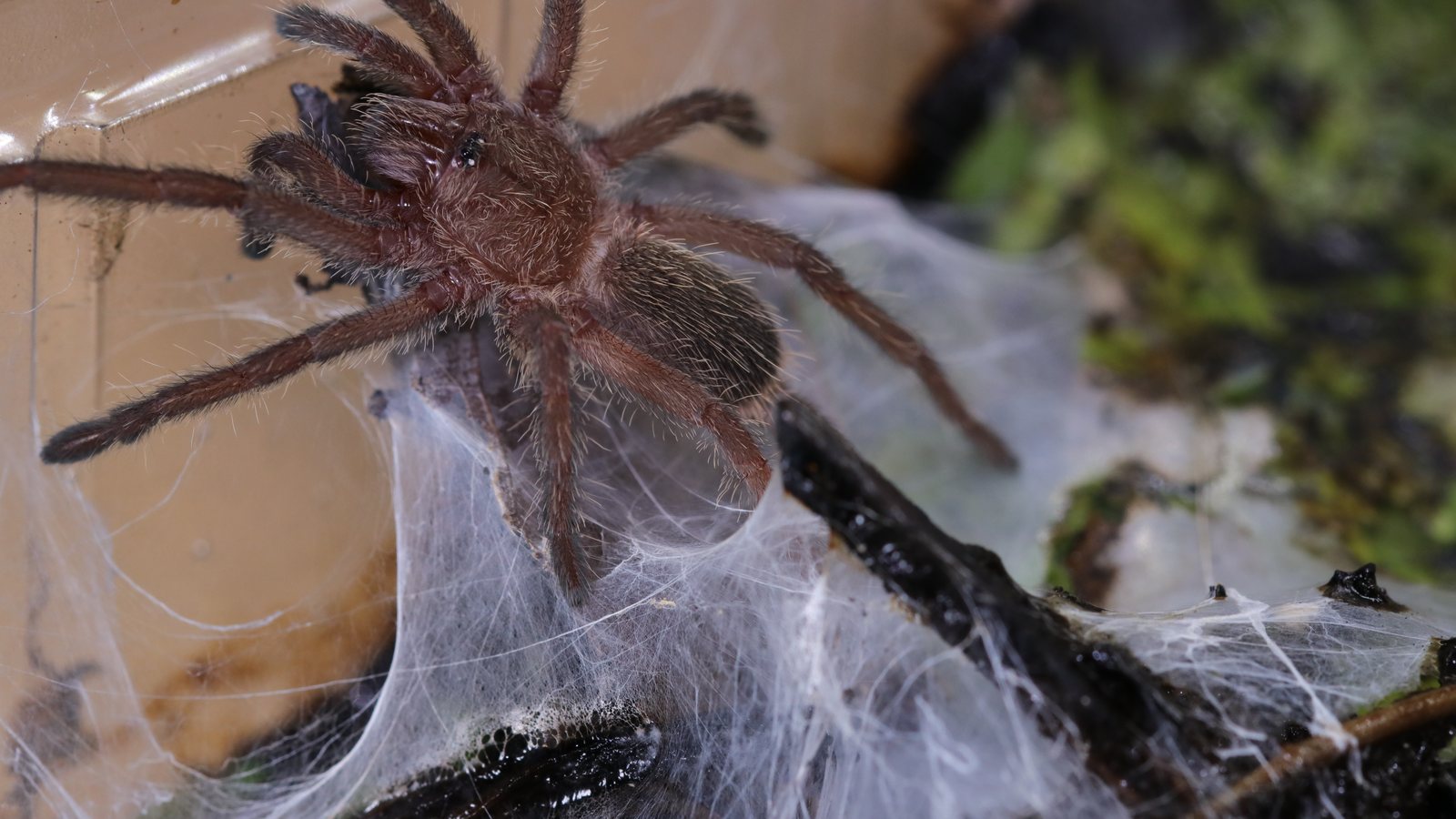
This is the individual kept under the hobby designation Chilobrachys sp. “Kaeng Krachan.” Its paludarium build, feeding records, and future photographs form a personal record while the profile remains transparent about the unresolved formal identity.
From Instagram
Posts & reels.
From the channel
Related viewing.
Introvertebrates on YouTube
Building a jungle paludarium for Chilobrachys sp. Kaeng Krachan
The complete enclosure build behind this resident’s dark, humid presentation.
Personal observations
From the Codex.
Introvertebrates Codex
Current resident · care history
Time in care, feeding records, moults and measurements. These are observations from the Introvertebrates collection, not species-wide averages.
Collection records are not available here yet.
Private notes and identifying details are kept off the website.
Continue exploring
Related profiles.
Read further
Sources.
- World Spider Catalog — genus ChilobrachysView the source.
- Frontiers in Arachnid Science — distribution and natural history of ChilobrachysView the source.