Look closer

A spider is far more than eight legs.

Explore how spiders are built, the remarkable things their bodies can do, and how keepers can recognise when something may be wrong. Clear explanations, primary research, and photographs from the Introvertebrates collection.

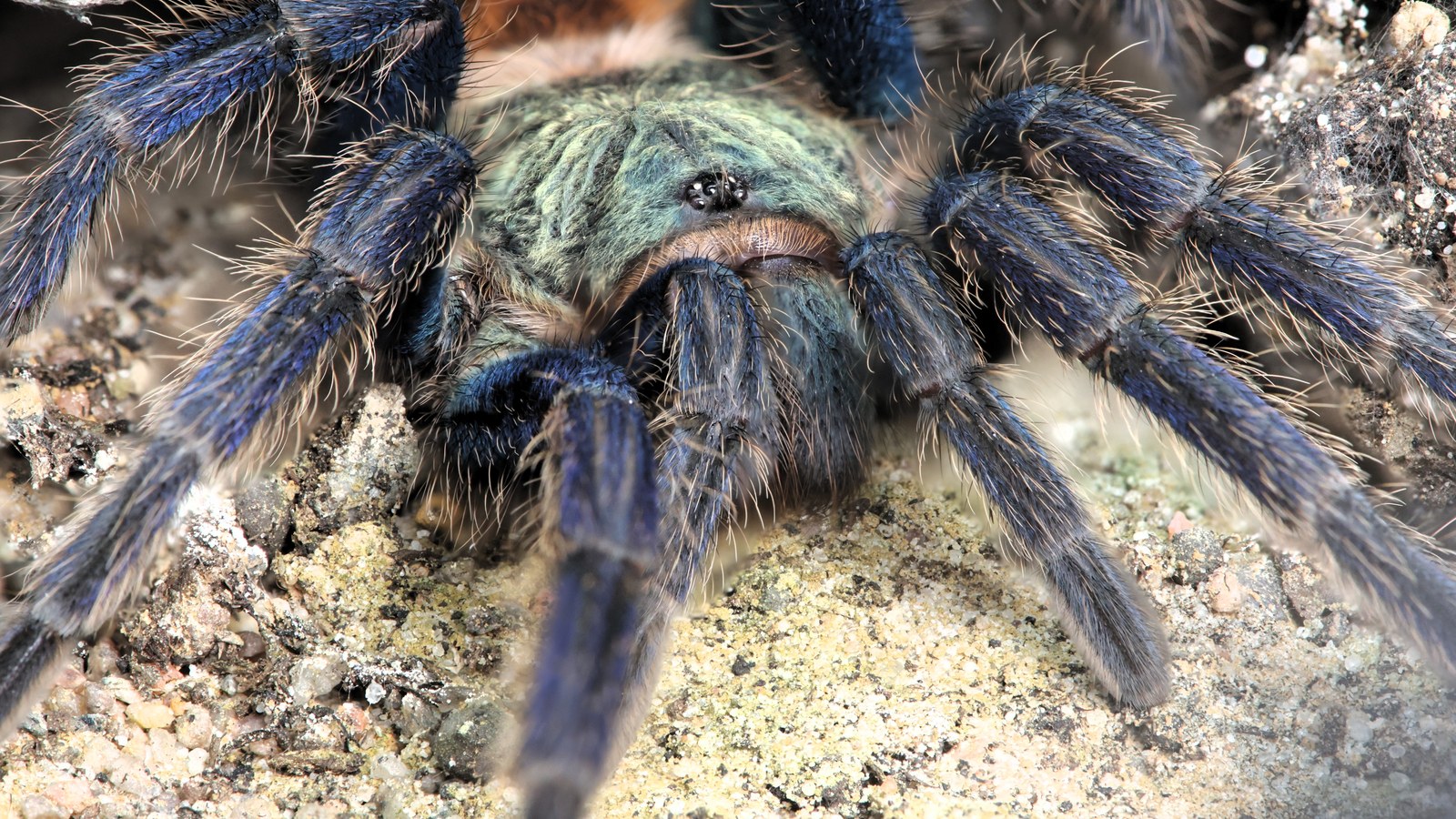
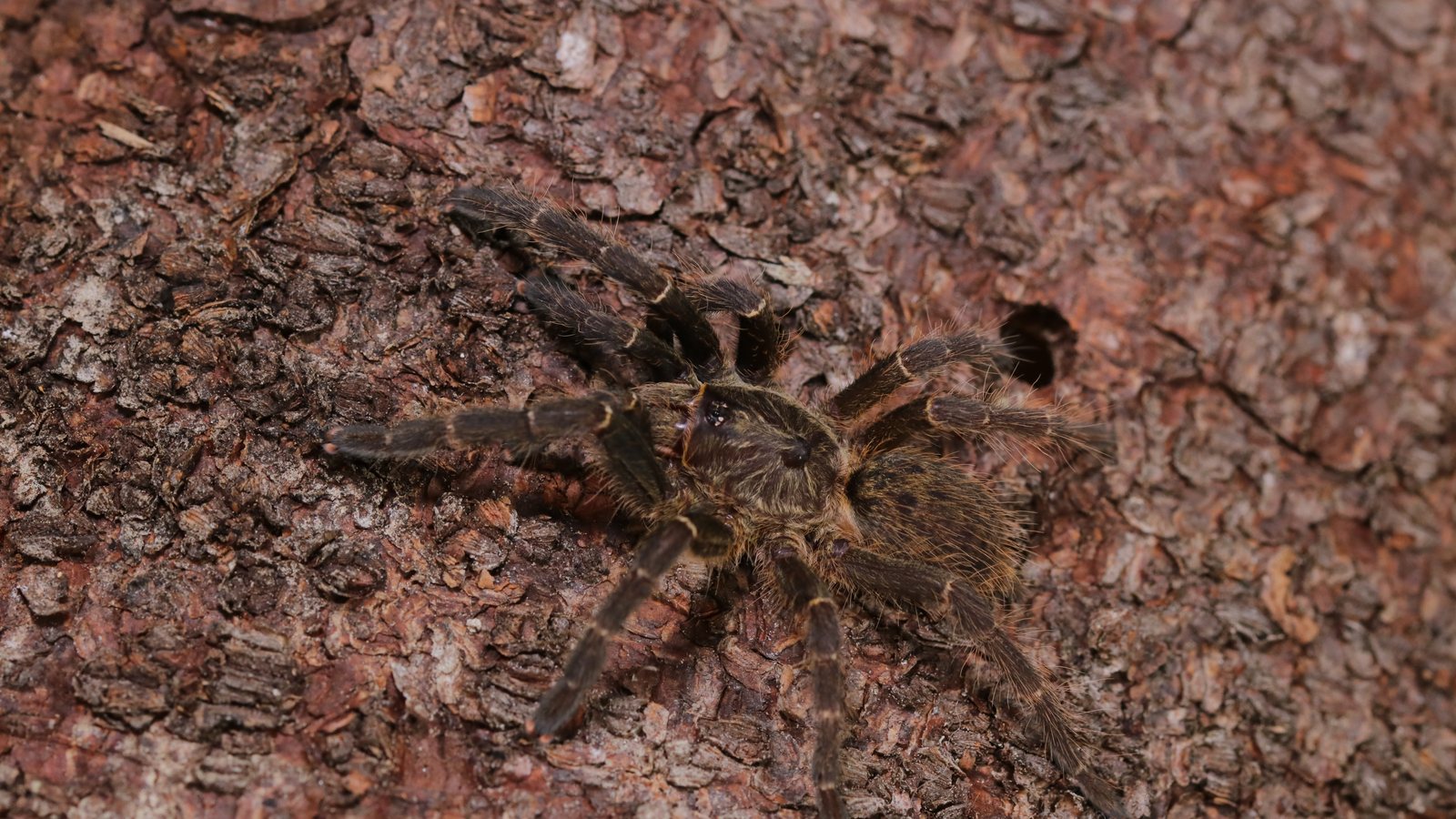
Overhead portrait of a male Ceratogyrus darlingi tarantula
Ceratogyrus darlingi
Male · current collection
Introvertebrates photography

Two major lineages

Tarantulas are not less “true” than other spiders.

“True spider” is sometimes used informally for Araneomorphae, but it can give the wrong impression. Tarantulas, many trapdoor spiders, and their mygalomorph relatives are every bit as much members of the spider order Araneae.

Mygalomorphae

Tarantulas, many trapdoor spiders, funnel-web spiders, and relatives

Chelicerae
Arranged roughly parallel to one another rather than opposing like pincers.
Respiration
Usually two pairs of book lungs.
Silk and lifestyle
Many are sedentary burrow or retreat dwellers. Their silk may look simple, but it can extend the animal’s sensory world and play a direct role in prey capture.
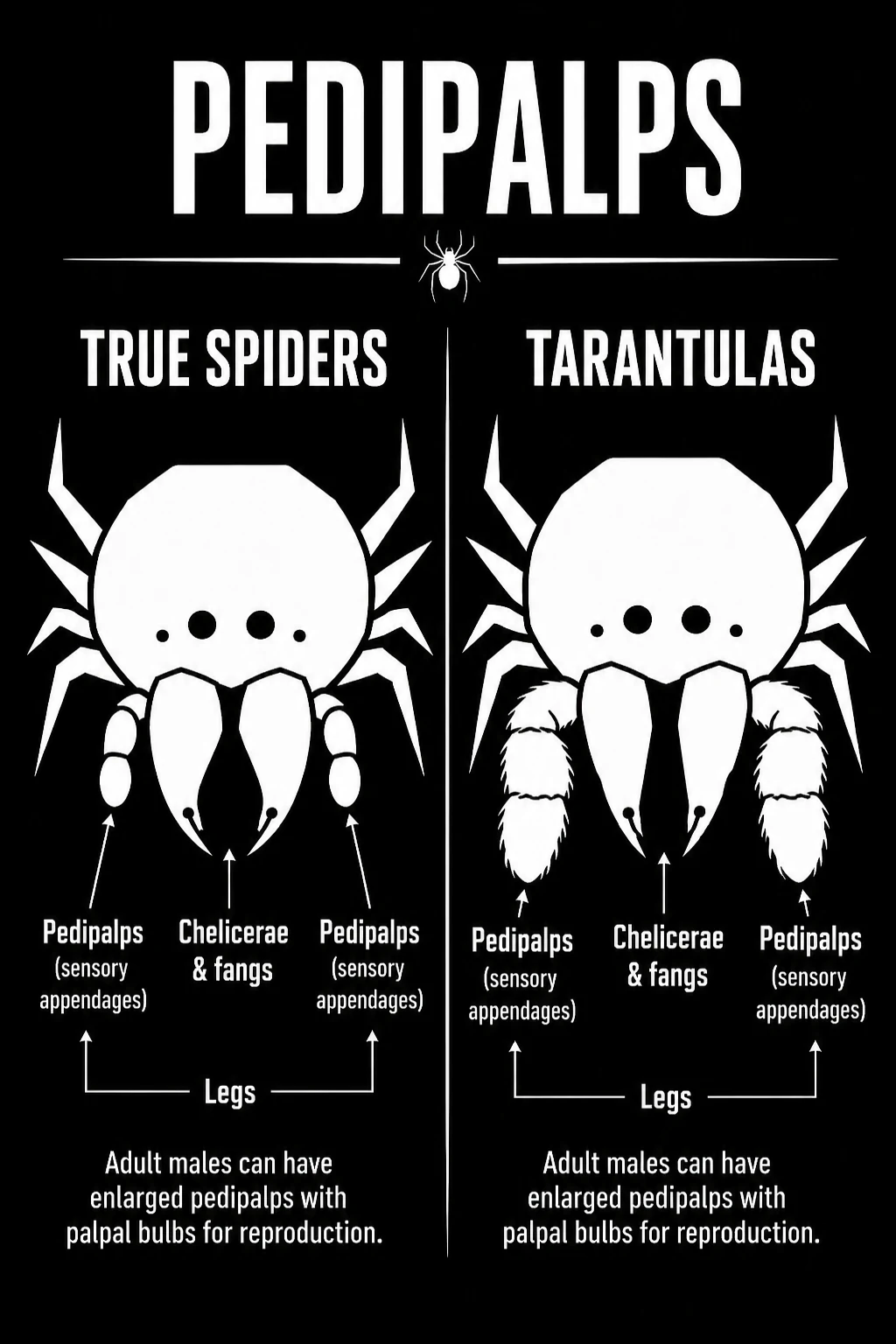
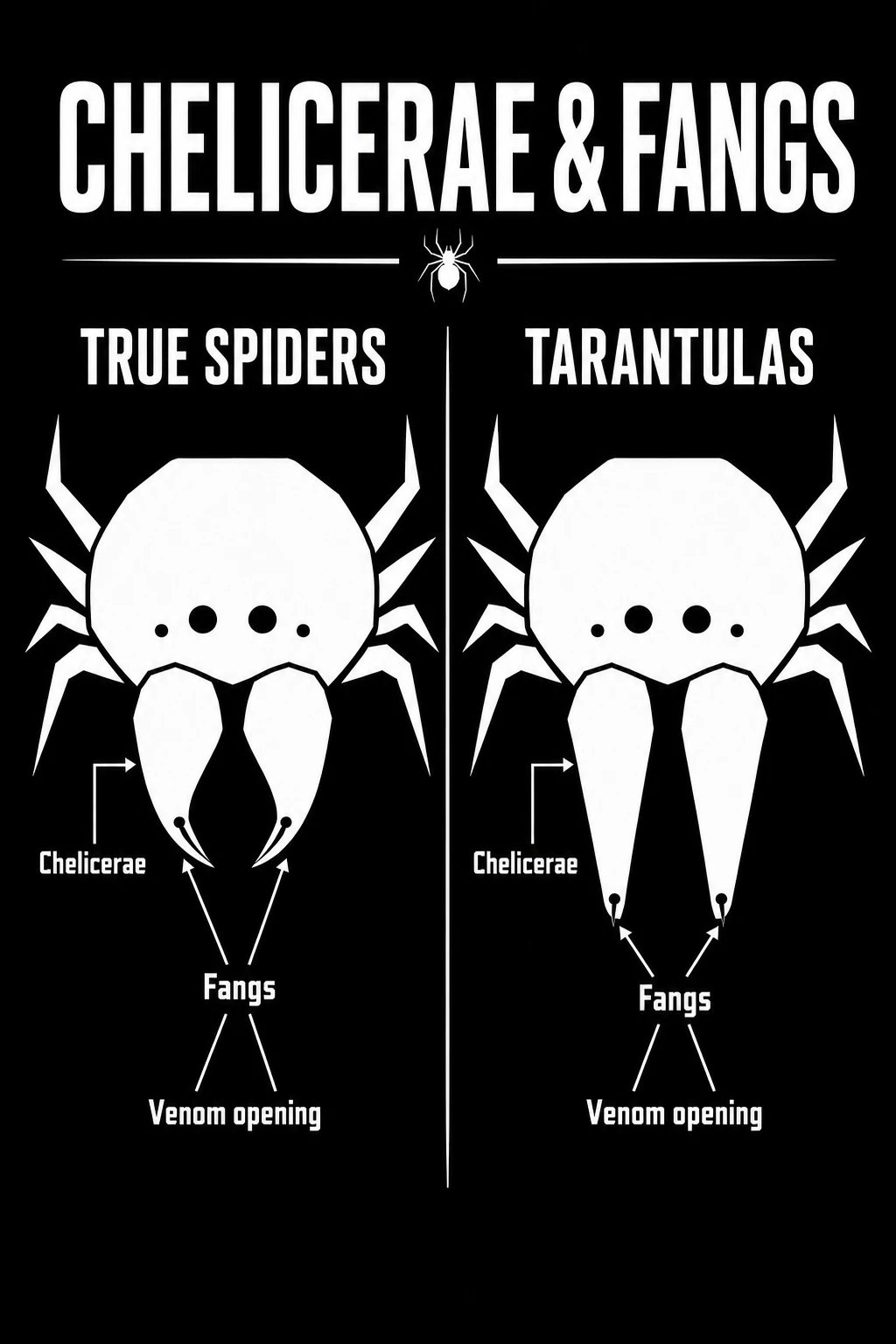
Araneomorphae

Jumping spiders, wolf spiders, orb weavers, house spiders, and most described spiders

Chelicerae
Oppose one another, producing the familiar inward, pincer-like action.
Respiration
Most retain one anterior pair of book lungs, with the posterior pair replaced by tracheae.
Silk and lifestyle
An exceptionally diverse lineage, ranging from elaborate web builders to active hunters that use little more than safety lines and retreats.

Read the primary literature: Opatova et al. - Mygalomorphae phylogeny and evolution; Garrison et al. - the spider tree of life; Sharma - book-lung evolution; Hedin et al. - a tarantula genome compared across spider evolution.

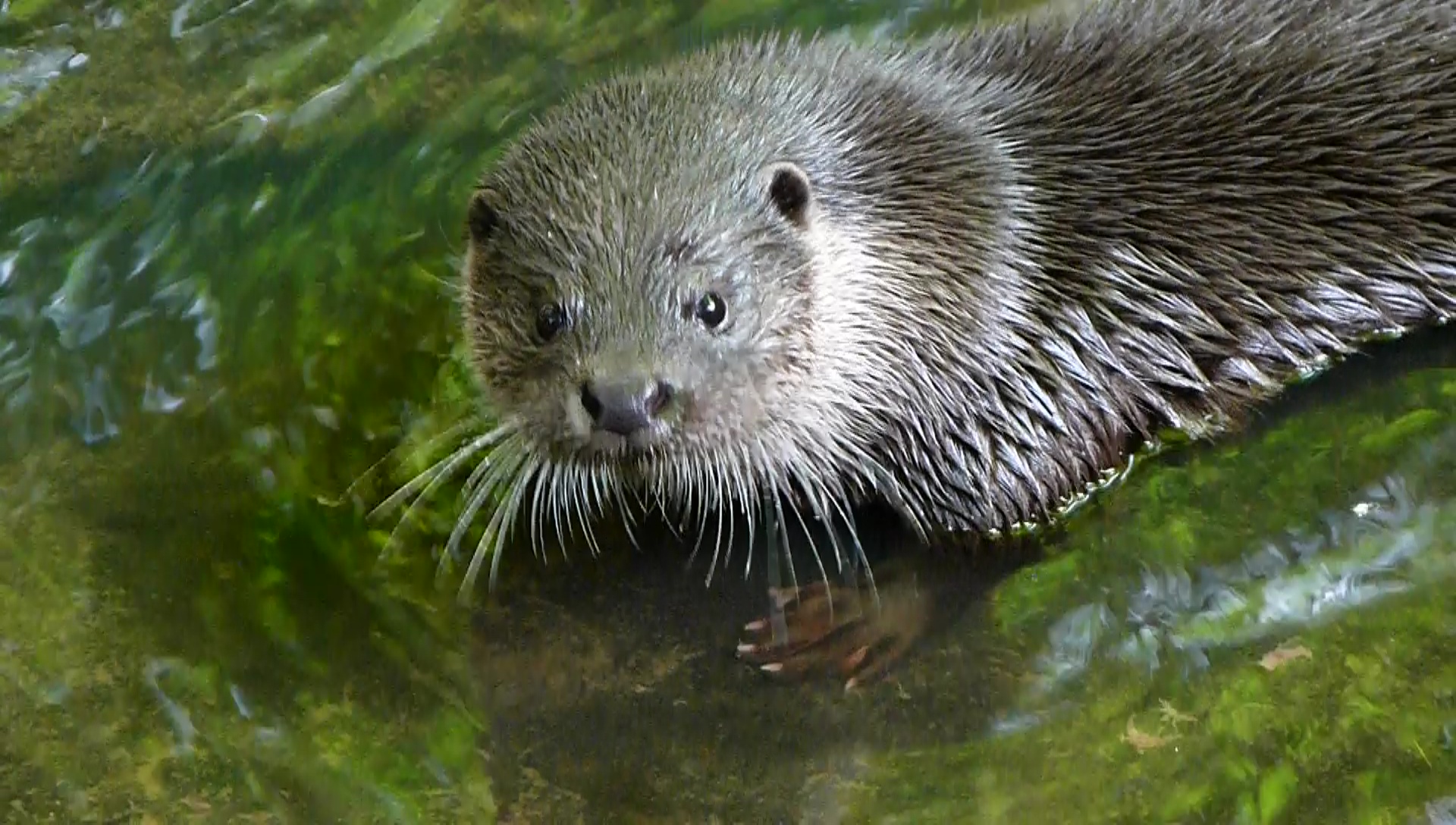
An otter looking toward the camera from green water
Kryp & Krabater
Meet Norwegian wildlife eye to eye

Norwegian-language · For children

Kryp & Krabater.

A Norwegian-language animal and nature project for children. It shares the curiosity behind Introvertebrates through broad, story-led encounters with invertebrates, reptiles, birds, mammals, wildlife, and their habitats.

Follow the close-ups

Introvertebrates on Instagram.

A visual thread through the collection. Selected cards open their exact public posts, while the animal profiles bring matching photos and reels into their wider biological context.