
How close is a species to extinction?
The IUCN Red List evaluates extinction risk using categories such as Least Concern, Vulnerable, Endangered, and Critically Endangered. Many spiders have never been assessed.
Search the IUCN Red ListConservation · Wild populations
Spiders are extraordinarily diverse, ecologically important, and still poorly known. Protecting them begins with habitat, good evidence, legal and traceable trade, and honest limits on what we know.
Read the label carefully
IUCN and CITES answer different questions. A species may appear in one system, both, or neither—and absence is not proof that it is secure.
The IUCN Red List evaluates extinction risk using categories such as Least Concern, Vulnerable, Endangered, and Critically Endangered. Many spiders have never been assessed.
Search the IUCN Red ListCITES regulates international trade in listed wildlife. An Appendix II listing does not by itself mean a species is endangered; it means trade must be controlled to avoid incompatible use.
Search the CITES checklistNames matter. Listings are tied to scientific names, and spider taxonomy changes. Check the currently accepted name, synonyms, geographic origin, and live legal listing before buying, selling, or moving an animal across a border.
Pressure in the wild
Threats differ by species and place, but global expert assessments and field studies repeatedly point to habitat change, climate pressure, pollution, and unsustainable collection.
Agriculture, logging, roads, urban growth, fire, and tourism can shrink or divide the exact microhabitats a spider depends on. Narrow-range species are especially exposed.
Changing temperature, rainfall, drought, and extreme events can alter shelter, prey, and breeding conditions. Spiders with small ranges may have little room to move.
Broad land-management changes can reduce spider abundance and richness, while chemicals may affect spiders directly or through loss of prey and habitat complexity.
Wild collection can become an added pressure where demand is high, populations are small, or origin is concealed. Trade impacts cannot be separated from habitat and enforcement.
The honest version: spider conservation is limited by major data gaps. “Not assessed” and “data deficient” are descriptions of knowledge—not reassuring risk categories.
Read the global threat assessmentTarantulas in trade
Well-documented captive breeding can reduce demand for wild animals and give keepers a lawful alternative. But keeping a species in captivity does not automatically protect its habitat, preserve wild genetic diversity, or create a coordinated conservation population.
For several tarantulas, researchers have documented overlapping pressures from habitat loss, fragmentation, roads, tourism, and collection. Clear origin records are therefore part of responsible keeping—not paperwork to treat as optional.
Explore published CITES tarantula profilesAnimals in context
Four residents show why one conservation label is never enough. Each story combines assessment status, trade rules, habitat, evidence gaps, and the records that responsible keepers can preserve.
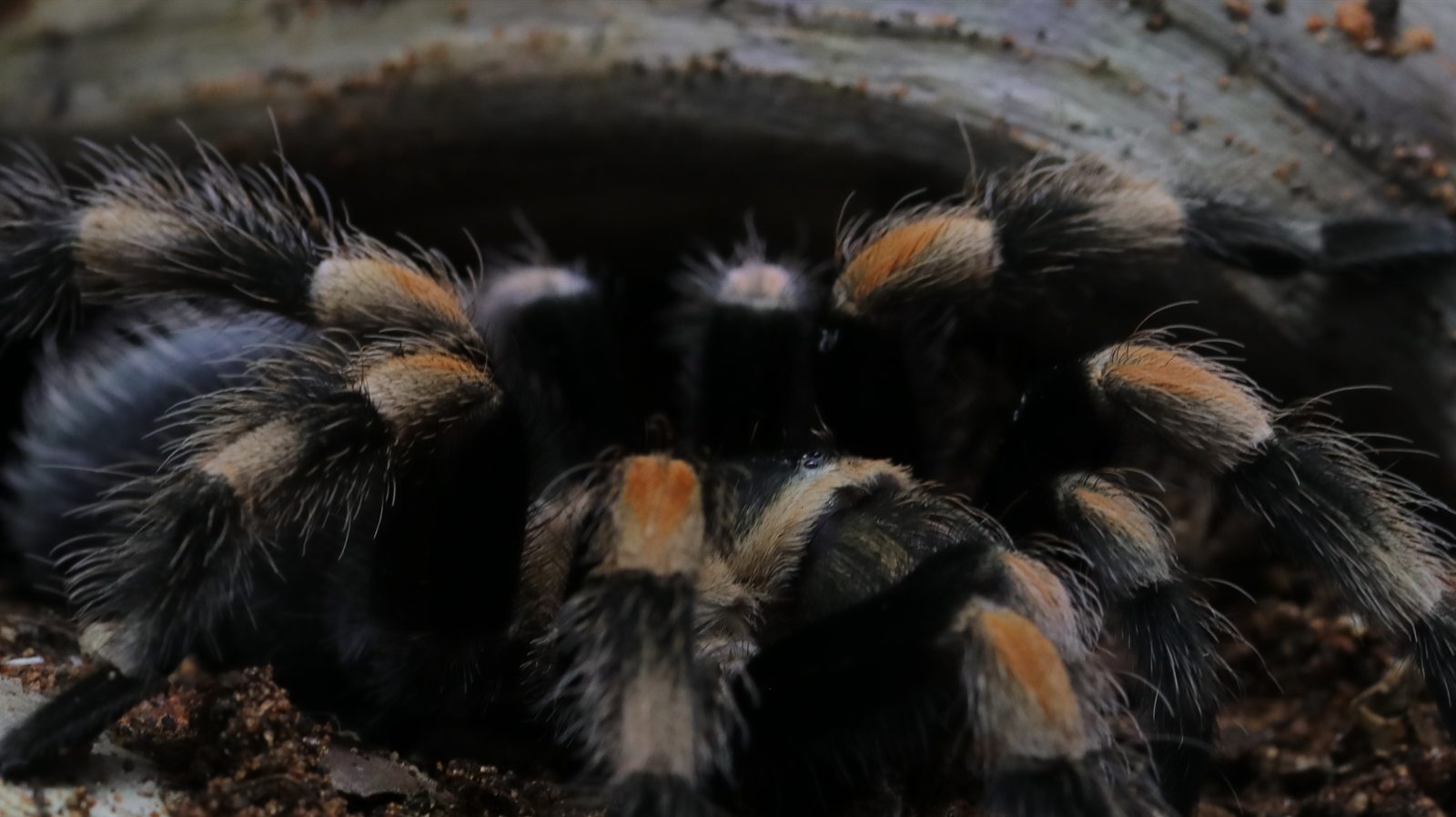
Brachypelma hamorii
An IUCN assessment reported in 2018 categorised the species as Vulnerable, while CITES Appendix II controls international trade. Accurate names, dates, and provenance belong together.
Read Sabrina’s context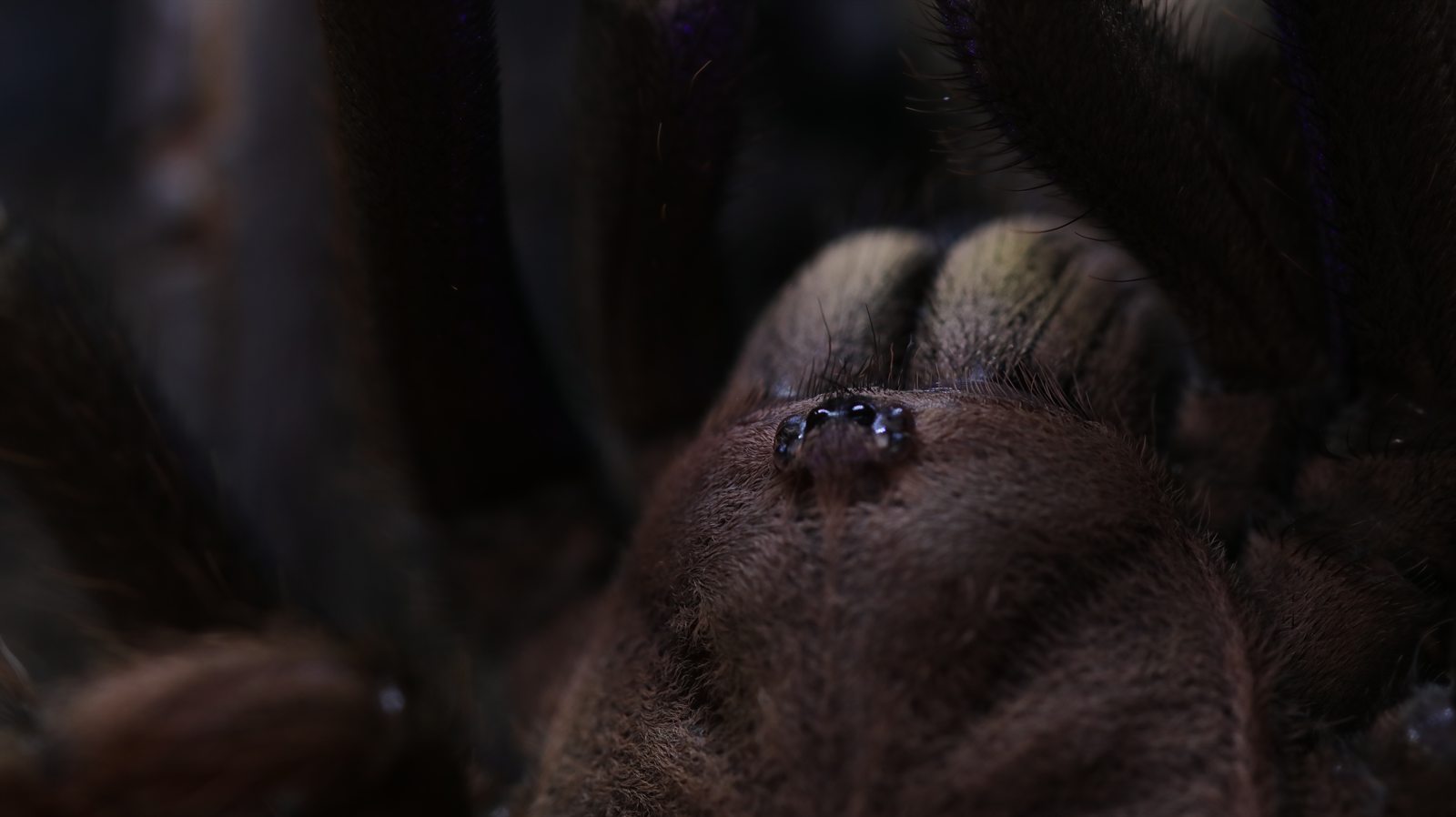
Chilobrachys natanicharum
Formally described in 2023 after appearing in the pet trade, this Thai species shows how demand can move faster than taxonomy and population evidence.
Read Elvira’s context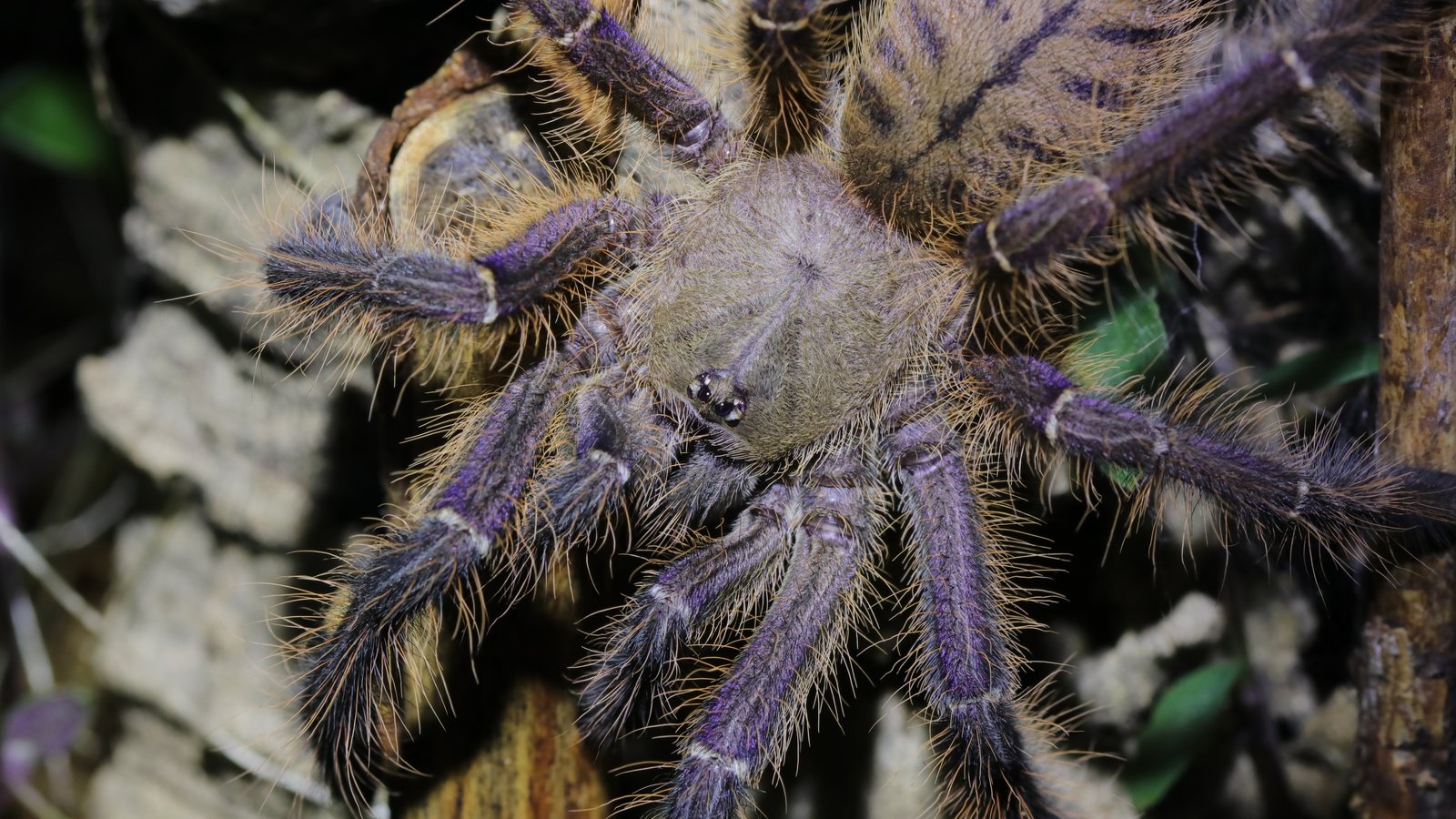
Omothymus violaceopes
Globally unassessed, but classified as Endangered in Singapore’s 2024 Red Data Book, with mature tree cavities, habitat loss, and poaching all relevant.
Read Orion’s context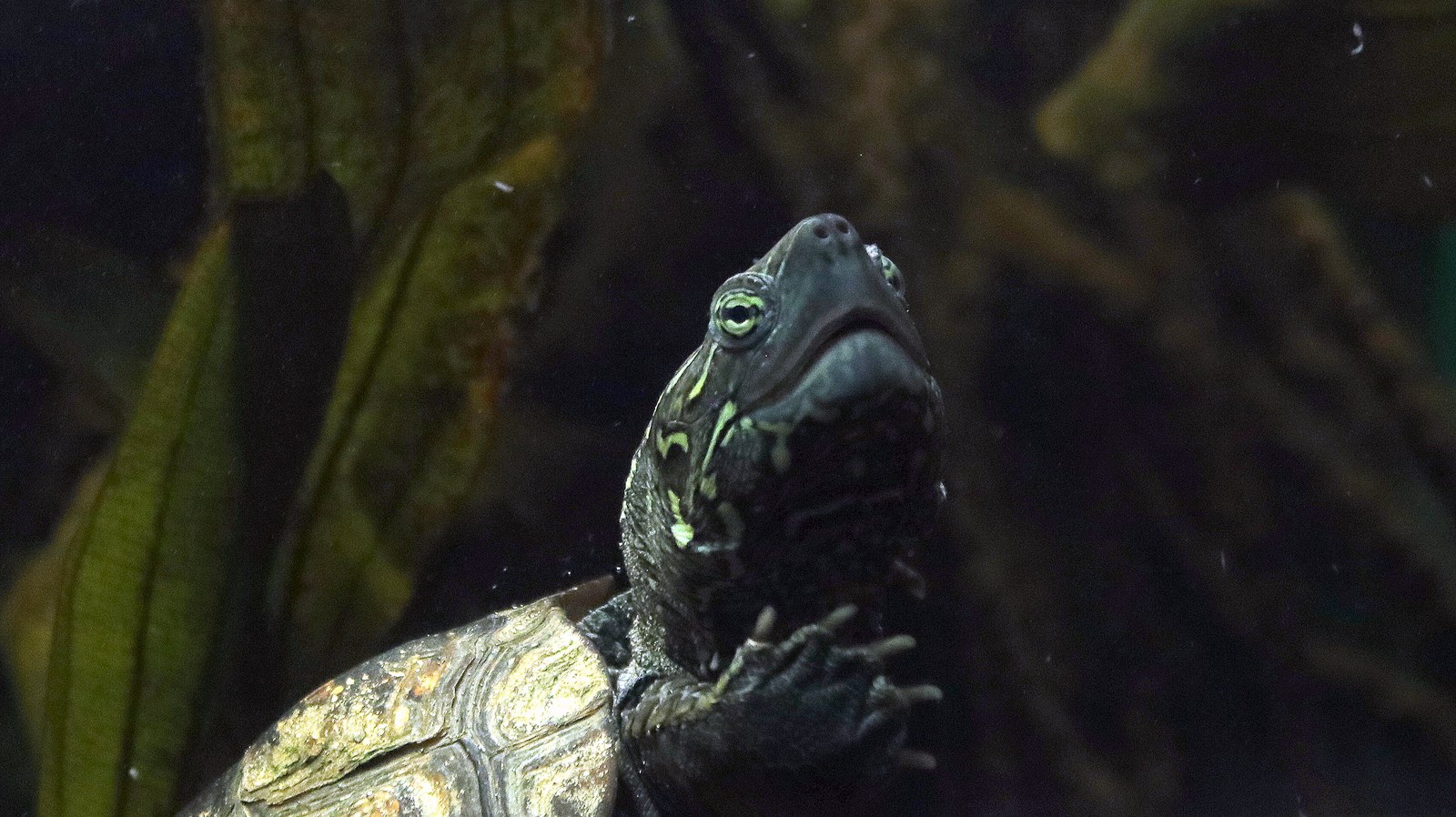
Mauremys reevesii
An Endangered species included in CITES Appendix III by China. Lifelong care and never releasing captive turtles are conservation-relevant choices.
Read Sonja’s contextA keeper’s part
The most useful habits are quiet ones: asking better questions, keeping records, following law, and refusing to turn uncertainty into a sales claim.
Ask who bred the animal, when and where it was bred, and whether the seller can explain its chain of custody.
Record the name used at purchase, later taxonomic changes, breeder or seller, date, locality data if legitimate, and any permit or receipt numbers.
CITES governs international trade; national and local wildlife, animal-health, and invasive-species rules may add further requirements.
Release can move pathogens, disrupt local populations, or introduce a non-native species. Rehome responsibly if keeping is no longer possible.
Unknown origin should stay unknown. A captive lineage is not a conservation programme unless it is managed toward defined conservation goals.
Back field research, habitat protection, local conservation organisations, taxonomic work, and evidence-based education—not only charismatic species.
Trusted starting points
Listings and names change. These live databases and primary studies are better starting points than unsourced care sheets or sales posts.
Species-level extinction-risk assessments and supporting evidence.
Open source ↗ Live databaseCurrent appendices, accepted names, synonyms, and listing history.
Open source ↗ Primary researchHabitat, ecology, distribution, threats, and conservation needs for listed species.
Read the paper ↗ Primary researchAn expert-based assessment of threats and conservation measures across regions.
Read the paper ↗ Meta-analysisA synthesis of how land-management practices affect spider richness and abundance.
Read the paper ↗ Taxonomic referenceAccepted spider names, taxonomic changes, and original literature.
Open source ↗ National assessmentThe 2015 national Endangered assessment for Chromatopelma cyaneopubescens, including habitat, threats, and evidence gaps.
Open source ↗Page reviewed 14 September 2026. This is educational information, not legal advice. Always verify current rules with the relevant national authority before an international transaction.